One Crash Can Trigger Several Insurance Questions
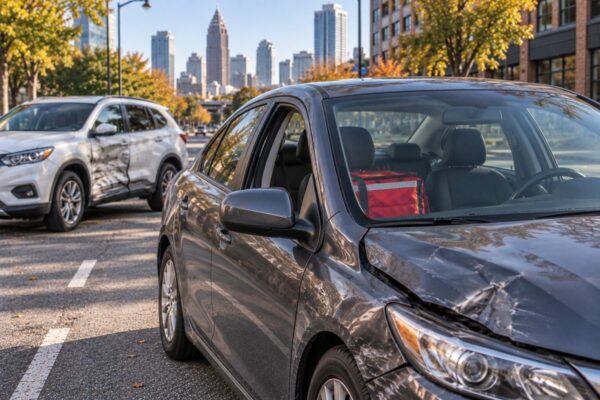
A driver glances down at a delivery notification, misses a red light, and crashes into another car on an Atlanta street. The wreck itself may look no different from any other Georgia car accident, but the insurance claim can become much more complicated once DoorDash, Uber Eats, Grubhub, or another delivery platform enters the picture.
After a DoorDash or food delivery driver crash in Georgia, the insurance available can depend heavily on what the driver was doing through the app when the collision happened. A driver who had already accepted an order may have access to coverage that is not available while simply waiting for the next request. The driver’s own policy, the delivery platform’s insurance, another driver’s liability coverage, and even the injured person’s own uninsured or underinsured motorist coverage may all need to be reviewed.
Gary Martin Hays worked for insurance companies before he began representing injured Georgians, so he knows how quickly insurers look for exclusions, coverage gaps, and reasons another carrier should pay first. A lawyer investigating a food delivery crash can preserve app data, determine the driver’s status, obtain the relevant policies, and identify every source of compensation before insurers begin pointing fingers at one another.
The Driver’s App Status Matters: Coverage can change depending on whether the driver was offline, waiting for an order, traveling to pick up food, or completing an accepted delivery.
Delivery Apps Do Not All Provide the Same Insurance: DoorDash, Uber Eats, Grubhub, and other platforms can have different policies, limits, and coverage periods.
A Personal Auto Policy May Not Cover Delivery Work: Some policies exclude or restrict coverage when a personal vehicle is being used for commercial delivery services.
The Delivery Company Is Not Automatically Liable: Whether the platform itself can be held responsible may depend on its relationship with the driver, the degree of control it exercised, and the specific facts of the crash.
A Lawyer Can Preserve Important App Records: Order history, GPS information, login status, delivery timestamps, and other electronic records can help establish which insurance coverage was in effect when the crash occurred.
Why Food Delivery Coverage Is Different From Uber and Lyft Rideshare Coverage
Georgia has specific insurance requirements for transportation network companies that connect drivers with passengers. Under O.C.G.A. § 33-1-24, required coverage changes depending on whether a rideshare driver is merely logged into the platform or has accepted a ride request.
That statute defines transportation network services around accepting and providing rides. Food delivery is different because the driver is transporting an order rather than a passenger. As a result, a victim should not assume that the same Georgia insurance rules that apply to an Uber or Lyft passenger crash automatically govern a DoorDash or Uber Eats delivery.
Instead, the available delivery coverage may depend on the platform’s insurance program, the driver’s personal policy, any delivery or commercial endorsement the driver purchased, and exactly what the driver was doing when the collision occurred.
What Insurance May Cover a DoorDash Crash?
DoorDash currently requires Dashers to maintain their own automobile insurance and also provides third-party liability coverage during what it calls the “Delivery Service Period.” According to DoorDash’s current insurance information, that period begins when a driver accepts a delivery request and continues until the order is delivered, canceled, or unassigned.
If a Dasher is online but has not yet accepted an order, DoorDash says the driver’s personal auto insurance is primary. That distinction can become critical after a crash.
For example, imagine two DoorDash drivers involved in identical collisions. One has already accepted an order and is driving to the restaurant. The other is logged into the app but still waiting for an order. Their app screens may look similar, but the available insurance can be very different.
A lawyer can obtain the delivery timestamps and compare them with the crash time instead of relying solely on what the driver remembers or tells the responding officer.

Do Uber Eats and Other Delivery Apps Work the Same Way?
No. Coverage needs to be checked platform by platform.
Uber states that it maintains commercial automobile insurance for covered delivery activity, but the coverage depends on the state and whether the driver was online, en route, or actively completing a delivery. Uber currently states that its third-party liability coverage for drivers en route to or completing a delivery can provide up to $500,000 or more where state law requires additional coverage.
Other food delivery companies may use different insurers, limits, exclusions, and definitions of when delivery activity begins and ends. Those terms can also change over time. That is why a Georgia crash victim should not assume that the rules for DoorDash automatically apply to Uber Eats, Grubhub, or another platform.
Which Policies Could Pay After a Food Delivery Crash?
A serious delivery-driver collision may require reviewing several possible sources of insurance rather than filing one claim and waiting for an answer.
- The Delivery Driver’s Personal Auto Insurance: The driver’s policy may provide coverage, but some personal policies exclude or restrict losses that occur while a vehicle is being used for paid delivery work.
- A Delivery or Commercial Endorsement: Some drivers purchase additional insurance specifically intended to cover rideshare or delivery activity.
- The Delivery Platform’s Liability Coverage: DoorDash, Uber Eats, and other companies may maintain coverage during certain stages of an active delivery, but the terms have to be reviewed for the particular platform and date of the crash.
- Another Driver’s Liability Insurance: A delivery driver is not automatically at fault simply because the driver was working. If another motorist caused the collision, that driver’s liability policy may be responsible instead.
- Your Own Uninsured or Underinsured Motorist Coverage: If the responsible driver has no usable liability coverage or not enough insurance to cover serious injuries, your UM/UIM coverage may provide another source of compensation, depending on the policy and circumstances.
When several insurers may be involved, each carrier has an incentive to argue that someone else should pay. An attorney can request the declarations pages and policy language, identify applicable exclusions, and compare the insurance terms with the driver’s app activity before a victim accepts one carrier’s coverage decision as final.
Can the Delivery Company Itself Be Held Responsible?
Possibly, but this part of the case is far more fact-specific than simply showing that the driver was making a delivery.
Delivery platforms commonly classify drivers as independent contractors. Under Georgia law, a company is generally not vicariously liable for the negligence of a true independent contractor merely because the company hired that person to perform work.
The label in a contract is not always the end of the analysis, though. Under O.C.G.A. § 51-2-5, liability can arise in certain circumstances, including when a company retains the right to direct or control the time and manner of the work. Georgia courts look at the actual relationship and the degree of control over how the work is performed.
That can make app rules, driver agreements, delivery requirements, account restrictions, GPS instructions, disciplinary records, and the platform’s ability to remove a driver relevant to the investigation. A lawyer can examine those records before deciding whether the claim belongs only against the driver and applicable insurers or whether there is a viable basis to pursue the company itself.
What Evidence Can Show Which Coverage Applies?
The most important evidence may exist on a server rather than at the crash scene. Establishing the driver’s exact app status can require matching several records to the time of impact.
- Order and Delivery History: These records can show whether an order had been accepted and when the delivery began or ended.
- GPS and App Data: Electronic records may show where the driver was traveling and whether the platform was actively directing the delivery.
- Login and Status Records: These can help distinguish between a driver who was offline, simply available for an order, or actively completing one.
- Insurance Declarations and Policy Language: The driver’s insurance card alone does not show every exclusion, endorsement, or applicable coverage limit.
- The Georgia Accident Report: Statements, citations, diagrams, witnesses, and other information recorded at the scene can provide another piece of the liability investigation.
- Photos, Video, and Witness Accounts: A delivery bag, food order, phone screen, restaurant receipt, or witness observation may help confirm what the driver was doing immediately before the collision.
An injured person may not have immediate access to a platform’s internal records. A lawyer can send preservation requests before electronic information disappears and, when litigation is necessary, use formal discovery to seek records relevant to the crash and insurance investigation.
What Happens If the Insurance Companies Disagree About Who Pays?
Coverage disputes can leave an injured person stuck between the driver’s insurer and the delivery company’s carrier. One insurer may rely on a business-use exclusion. Another may dispute whether the driver had actually entered an active delivery period. A third may question whether its policy applies at all.
That does not mean the first denial ends the claim. Georgia auto insurance claims can involve overlapping policies, exclusions, and disagreements about which coverage applies. A lawyer can compare the carriers’ positions with the actual app records and policy language, then pursue the insurer or insurers that should respond.
The App Data May Matter as Much as the Police Report
A food delivery crash adds a digital layer to an already difficult insurance claim. The person who caused the collision still matters, but so does whether that driver had accepted an order, which company the driver was working through, what each policy covered, and whether another source of insurance is available.
The attorneys at the Gary Martin Hays, LLC can investigate those questions while you focus on recovering. Since 1993, we have represented injured Georgians and recovered more than $1 billion for clients and families. Gary’s prior work for insurance companies also gives our legal team insight into how carriers evaluate coverage and look for reasons to limit what they pay.
If you were injured by a DoorDash, Uber Eats, Grubhub, or other food delivery driver in Georgia, contact us for a free consultation. We can preserve the app records, identify every potentially applicable insurance policy, investigate who is legally responsible, and handle the insurance companies while you focus on getting better. We offer representation on a contingency fee basis. That means no upfront costs, and you pay nothing unless we win your case.


“There are not enough words to describe the service and professionalism of this law firm. They listened to my challenge and guided me through a difficult time in my life while keeping my best interests in mind…”
– Jonathan L.

“My experience could not have been better. The professional staff was accommodating and understanding from day one. They managed to turn a rather unfortunate situation into a painless experience. Would HIGHLY recommend them to anyone in need of representation!“
– Brandon Y.
“I can’t say enough good things about the wonderful people at this law firm. They are professional, easy to communicate with and are very kind and understanding… I can’t recommend them highly enough, they have your back!“
– Ellen H.


